She chewed her mashed potatoes, taking small portions as some slipped off her fork onto her untouched turkey slices. She repeated these steps until all the mashed potatoes were gone and a space on the left side of her plate remained. Next, she tackled the turkey. When she was done, she carefully placed her fork and knife in the middle of her plate. Her vegetables to the right side were untouched. I watched her out of the corner of my eye not wanting to stare at this odd behavior. My father ignored her and concentrated on his full plate of seconds. The occasional ‘slurp’ or ‘burp’ would erupt between mouthfuls, which he apologized for under his breath without looking up.
At one point I caught my mother glancing at the empty chair to my right. She caught me looking at her and gave me such a stare of defiance; I quickly retreated back to my meal until it felt safe again to look up.
Nat King Cole singing Christmas carols played softly from the living room. His voice, the clinking sound of cutlery hitting the plate and my father’s occasional grunts, were the only sounds heard throughout this tedious meal. I thought of excusing myself and taking my meal to my room, but I dared not suggest it.
My mother sat quietly in front of her unfinished meal, her head slightly bowed, as if she were praying. I had never noticed the thickness of the rims of her glasses before. I seldom saw her without them. I had inherited the near- sightedness from her. I resented having this gene that prevented me from playing football or rugby, or my new passion from TV – basketball. She never encouraged me in sports, my father surprisingly didn’t seem to care. They knew I excelled at things academic which they liked but never praised.
She was now looking at my father. It was a look of pity and love. He, oblivious to her stares continued to plough into his meal like a pig at a trough. Without a word she got up, squeezed herself past the empty chair and the flowered wallpaper, past my father without looking at him. Moments later I heard their bedroom door close. My father appeared still unaware of her departure. I slowed the consumption of my meal so he could catch up. We finished in silence.
Then my father took his plate, noisily dumping it in the sink and headed for the bathroom. Twenty minutes later I heard him emerge and enter their room, firmly shutting the door. I had almost finished doing my required chore of dish washing. This year there was less to wash than normal. I wouldn’t have minded doing the extra work if some of my favorite dishes had been cooked. Usually at this time I would be scraping the remains off the pan of her bread pudding; or sampling small portions of the stuffing, or maybe stealing macaroni and cheese to take to my room, paying careful attention that I arranged the food just as she had left it, before wrapping it in foil. Most of all I missed her fruit cake. The fruits have been soaked in rum all year, made me positively tipsy when I ate it.
She forgot to do this annual task. Probably right after it happened. She had always been a creature of habit, but now her sense of order had left her. This in some ways took me off the hook, because I was for the most part ignored. My father did not have to discipline me because she wanted him too. I would retire to my room when I got home from school. She remained in their bedroom and would only emerge to cook the evening meal. Usually something she threw together with leftovers from the previous day.
Nat King Cole was now singing the Christmas song. It was my sister’s favorite carol when she was alive. We both preferred Christmas carols sung by current artists like, Donna Summer or Diana Ross. But this one song by old Nat would in the past have the whole family drowning out his baritone crooning, as we competed with each other in an awful off-key rendition; while decorating the tree.
A year ago, my sister and I did the work, while my mother gave directions, irritating us as she moved the lights on the tree from where we had placed them; or switched the color of the Christmas tree balls around so they would match. She said it made the whole room look more aesthetic –whatever that meant. We raised our voices with cries of disapproval. My father would laugh at us, sitting on the sofa, one eye on the game, sipping his third beer. But she would always win out by saying.
“Trust me, you’ll see”
Sure enough at the completion of our work, way past our bed time, we would stand back and marvel at its magnificence. As usual she was right. It did look ‘azz-tee-tic’ or whatever.
Our living room looked splendid; with long net curtains that fell to the floor and heavy gold drapes that hid them. The White walls blended well with the cream leather sofa and love seat, separated by a two-tier glass coffee table on a raised patterned red rug. Thick green garlands filled with fruit and white lights, hung above the mantel and caressed the wooden poles that supported the fake fireplace, where a nativity scene with colorful tiny mannequins that surround Jesus in a manger were carefully arranged by my sister.
Next to this stood our crowning glory. A 6ft fake fir covered with a hundred clear lights, adorned with red, gold and silver balls. Tiny red bows with gold trim and matching streamers were intricately woven into the tree. At the base of the tree stood five red poinsettias. In front of which were scattered many brightly packaged presents: that we had been warned, on pain of death, not to open or even peak at until Christmas morn. At the very top of the tree stood a magnificent silver angel with a light behind its head.
My father would belch and applaud loudly hugging my mother playfully as she admonished him for being so disgusting. We kids would just smile, and laugh and shake the presents to figure out what was inside.
Christmas morning of last year we were all awakened by the happy squeals of my sister who was always the first to make it to the tree. She never waited until we all were assembled to open presents. We would find her surrounded by shredded wrapping paper screaming with delight at the new professional Barbie she had gotten. This added to her collection of Barbies, while she ignored the little black doll that Aunty Pat had sent her.
My gifts were always practical; several books, pants, a shirt, some socks, and one or two board games like chess. I had asked for a Monster Tonka truck for the past three years. My dad would always say that he couldn’t afford it. I knew from the night before that none of the pretty packaged presents held my truck. So, I watched my sister open her gifts with an attitude. After I had opened the last one with no surprises. I began to sulk. My dad caught wind of this, and with irritation said what he always said about the truck, and sent me out to empty the garbage.
Outside in the cold air a light dusting of snow had fallen during the night covering everything. I dragged the black garbage bag behind me as I wrote letters in the snow with my foot, soaking my house slippers: I HATE MY DAD. I threw off the top of the garbage can to dump the bag, when I saw a big bright red box with a big white bow on it. Attached was a card with my name in bold black letters on the top line and underneath it said: Merry Christmas, son. Love Dad.
I was paralyzed with joy for a moment; then I snatched the box out of the can. It was heavy and I knew that inside was my truck. I turned around to laughter. My dad stood in the doorway his arms around my mother, while my sister clapped and screamed with her new Barbie tucked under her arm. I looked at my father and he beamed with pride. It was the best gift he ever gave me, and I was to later discover how hard he had saved to make my dream come true.
Nat finished the last bars of his song. I put away the last of the dishes and headed for my room. As I passed my parents room, I heard the sounds of my mother sobbing as my father tried to console her.
The gentle hum of the jet engines, against the clutter and chatter in the kitchen, two rows behind me, took a little getting used to. Gladys, a mature stewardess with a condescending glare, interrupted me for the third time in the last hour. I pretended to ignore her by refusing to remove my headphones, taunting the veins in her neck to increase. When I thought she had suffered enough, I looked up and nodded. She grabbed my half-eaten bagel and shuttled off. Back in the day, they looked like beauty queens and smiled a lot. Now, they let anybody push that cart.
I resumed my focus on the eulogy I had been struggling to write. Nothing redeeming about her came to mind. The hurt she inflicted upon me surpassed the good. She left with no apology, regret or hint of remorse, except deep seeded issues that wouldn’t go away.
On my arrival at Gatwick Airport, I approached my father at the gate with a big smile. He casually leaned on the metal railing with those sad St. Bernard dog-eyes of unconcern. A man of little emotion, who knew what went on in that bald head of his?
He introduced me to Mary, my mother’s best friend, an affable white woman who belonged to their church. Mary more than made up for the excitement my father lacked, gushing with stories she had recently heard about me, apparently unaware of my existence before that.
In the car, Mary gushed condolences, and in the next breath, complained about the traffic. I sat in the back, half listening, watching the dull English countryside unfold. It was a typical, over-cast moody day, one of many reasons why I left.
We arrived at my parents’ small, attached row home on a cramped street of similar houses, which differed only by the lace curtains in the windows or the color of the doors. The street was lined with tiny fuel-efficient cars taking up almost every parking space, causing my father to complain, “This is why I never leave the house.”
Entering the gate to the house, struggling with too much luggage for my short stay, I pushed an overgrown shrub out of the way. My father followed me, apologizing for not having the time to prune the plant—for obvious reasons. Stepping into the family living room with its tightly-shut windows and stale air, nothing much had changed in the seventeen years since I was last here.
The pattern of raised flowers on the cream colored wallpaper looked like they had wilted. The old stereo still stood where it had always been. A soiled doily rested on the head of my father’s armchair. Another one lay beneath a fake plant on the dining room table. While everything was clean, it all looked dated. A small picture of my parents stood on the mantelpiece, overshadowed by a large portrait of Jesus above it, but no pictures of me or my dead sister, Carol.
Mary had to leave and leaned in to give me a hesitant hug. Holding on to her portly frame, I gave her an extra squeeze and whispered in her ear, Thank you.
As she pulled away, Mary looked at me with a warm smile. “You’re welcome Dear,” she said; patted my arm and trotted off.
“How about a cup of tea?” My father asked.
“Sure, Dad.”
He shuffled off to the kitchen. I followed him and watched him fill an old stainless-steel kettle with water. He set it carefully on the stove. It had mold around the handle. Taking two mugs from the dish holder on the sink, he popped two spoons in them. He had aged considerably in the face. Salt and pepper hair surrounded the crown of his bald head, stress seemed to have taken up residence there, but he was still slim—no gut.
“How are you doing, Dad?”
“Oh, as well as could be expected,” he said. “It’s been hard but the old girl is gone now. She left me.”
What a sad thing to say, I thought. And very odd coming from him. At that moment I wanted to hug him again. But I remembered my failed attempt when I reached over and hugged him at the arrival gate railing, smelling the Old Spice cologne splashed behind his ear. But he didn’t hug me back. I retreated quickly, a little embarrassed but unsurprised that nothing had changed.
“Where’s Aunty Sybil?” I asked.
“She’s upstairs taking a nap. She’s still getting over her operation,” he said.
Aunty Sybil had a kidney removed recently.
“Oh, okay. Must be hard dealing with her own health and now this.”
He didn’t answer, as he silenced the whistling kettle and poured the steaming water over two tea bags and added a little milk.
“Would you like a biscuit?”
“Yes, please.” I said, smiling to myself because I sounded like Oliver Twist.
I followed him to the living room. He turned on the TV and sat down. No remote was in sight. A soccer game was on.
I dipped my McVities Digestive biscuit in my hot tea, popped it in my mouth and let it dissolve over my tongue like I used to do. He watched me do this with a slight smile but, again, said nothing.
Someone scored a goal and the game held his attention. I watched the jubilation of the players and the crowd with disinterest. In the past, during awkward moments like this I would excuse myself and go to my room, but today I had to endure it and hoped Aunty Sybil would come down soon to liven things up.
I loved Aunty Sybil. She was my mother’s younger sister, a semi-retired nurse. A big hearted, proud, opinionated woman, and funny with an unconscious propensity to repeat herself. I could always count on her for affection, which she provided in droves—something my mother lacked and was jealous of. I was so glad she was here to help me through this or I may not have come.
My father’s younger brother, Dennis, arrived a couple of days later. I liked him too. My father listened to him because he was so practical. Uncle Dennis saw logic in everything. He did not judge me with the weary looks I saw in my father’s eyes.
I’m sure he knew, and so did Aunty Sybil. But we did not talk about those things. It was overlooked. The questions about marriage or the requests for grand kids had long ceased, and were replaced by the elephant in the room.
Aunty Sybil was making arrangements for the funeral. My father was just hopeless at that sort of thing. It had always been my mother’s job. We weren’t scheduled to see mother’s body until the next day, but some strange things were happening at the house.
Two days ago, the tap in the bathroom sink suddenly turned on while we were in the next room. We all looked at each other oddly. My father said it had never done that before and there was nothing wrong with the pipes. My superstitious cousin Max (short for Maxine) said it was my mother’s spirit haunting us. Everyone laughed at this notion but not me. It was something she would do.
At night I would be on my father’s computer, on some porn site, after everyone had gone to bed. One night I went downstairs to get something to eat, without turning on the light. Passing through the living room, the air felt denser than normal. By the time I reached the kitchen it felt like I was wading in water. I wondered if this weakness was due to skipping dinner? I opened the kitchen door to the odd smell of a familiar perfume. The room was cold making me shiver. Then I heard it. The bathroom tap was dripping—loudly. My heart starting beating faster.
Rubbing my arms I could feel goose bumps. I opened the bathroom door. The room was dimly lit by one night-light. I went to the sink and turned off the tap. The room fell silent. The night-light flickered. I quickly left the room shutting the door swiftly behind me.
The kitchen had grown darker and very still. I had the distinct impression that someone was watching me. I brushed it off to hunger pains making me delusional. Instead of turning on the light, I opted to grab a sandwich from the refrigerator, which was nearer and would light the room.
I reached to open the door when something bitterly cold brushed my arm. I yelled, jumping back—as if from an electric shock. Afraid to look back, I ran towards the door, stumbling through the dark dining room, pushing through dense air, till I reached the stairs and slapped on the light. The heavy air, the coldness, instantly disappeared.
I ran up the stairs into my room, shutting the door behind me, and got in the bed pulling the covers securely over my head, like I used to do, as a boy when I had a nightmare. I lay there breathing heavily with the light on. I eventually must have drifted off to sleep because the next thing I knew, Aunty Sybil was knocking on the door announcing breakfast.
I emerged from under the sheets disorientated and hungry. What I thought I had experienced last night seemed fuzzy. Some parts were vivid but on second thought seemed imaginary. The fact is, I wasn’t sure if it was a dream or real. As I headed downstairs to breakfast, I decided to keep it to myself and spare myself the embarrassment of being laughed at.
At the funeral home, the director, a woman with perfect hair, perfect nails, a dark tan and meticulous make-up, greeted us in a manner of flawlessly-practiced empathy—one of her job skills, I guess. She led us to a small back lot of warehouse-type rooms, and then uncovered the lid of a plain, wooden coffin. She stood back for us to take a look.
My mother’s body looked like a disheveled black rag doll. It looked like it had been shoved in the box and not placed. Her head was stuffed up at one end of the coffin with her chin buried in her chest. There was ample room at the other end, where her swollen legs were apart in orthopedic shoes. Her hair was nappy, gray and unpermed. Her face had no makeup. An unflattering blue flowered dress did not hide her breasts; nor did it prevent them from straying in opposite directions. Claw-like nails wrapped around a rosary, clasped in prayer mode on her chest, the skin beneath them dark, probably from the cancer. She looked angry, even with her eyes closed. We all looked at her shocked, except Dad.
“What the fuck!—” A stream of expletives came out of me that turned the directors empathy to fear. She looked to bolt for the door, but I beat her to it. I stormed out, cursing at the top of my lungs. Behind me, I heard Aunt Sybil say, “Let him go,” as my father tried to apologize and reprimand me at the same time.
I stood outside, fuming, surprised at my reaction. Why should I care? My mother had done nothing but make my life miserable but she looked horrible. My mother was a stylish, proud woman. I don’t think I had ever seen her without a perm or gray in her hair. She always wore classic, quality clothes. No wonder all the strange goings-on that were happening at the house. She was pissed that in her final exit she looked like a maid.
I lit a cigarette, ignoring the ‘No smoking’ sign in front of me. One thing I did notice was how beautiful her skin looked. It was flawless, even-toned and smooth. Not a blemish in site except for her signature mole that had strategically grown on her left cheek, between her nose and mouth, like Hollywood movie stars used to have drawn in.
That night Aunty Sybil, Uncle Dennis, Mary and my cousin Max sat around the dining room table talking. Max, like me, was the black sheep of her family. We shared an indelible bond. Max was gregarious with a potent disregard of protocols and the British way of appropriateness.
I was interviewing them about my mother’s life to complete my eulogy, which was still in a confused draft stage. My father sat in the living room on the sofa watching another game, trying to ignore me after my outburst earlier that day. But he couldn’t keep up the act, often interjecting information about my mother I had long forgotten or didn’t know.
My mother had worked for Scotland Yard as a secretary. Before that, she’d had a similar position at The Grenada High Commission. Mary sat wide eyed, hearing things about her friend that she did not know. As the puzzle came together, there was still something that baffled me.
“Dad, this does not make sense. Based on the time line you just gave. I was born seven months after your marriage?”
All heads turned to my father as if it were a tennis match.
“Boy,” I hated it when he called me that. “You were born after we got married,” he said defiantly without confirming the facts I’d asked for.
“Now, I know I wasn’t premature,” I replied with defiance.
All heads now turned to me. Mary’s mouth was so wide open she could catch a fly.
”So, were you and mom having sex before you got married? Was I a love child?” I asked jokingly.
Mary gasped. All heads turned to him. His eyes widened, his lips twitched. He slammed down the beer can he was holding on the coffee table.
“Boy! Like I said you was conceived and born after we married,” he shouted, his Caribbean accent growing with his anger. “You always trying to start trouble. As soon as this is over you should go back to America where you belong, and don’t come back!”
“He didn’t mean that,” intervened Aunty Sybil. “Not another word from you.” She said, pointing at me, knowing I wasn’t going to let him get away with that.
“Man, this is your son. He is a grown man and he just asked a question. That’s no way to respond to him.” Uncle Dennis said trying to reason with him.
“I don’t care. No son o’ mine will speak to me that way under my roof. I don’t care how old you is. I work hard to take care of your ass. Now, seventeen years later you show up when she dead. Your muther dead and you still don’t have respect.” My father rose swiftly pointing a shaking finger at me. “No wonder she couldn’t stand you!”
“There you said it for her. Does it make you feel good? You old fool!” I snapped, pitying the old man, but crushed by the confirmation I’d always suspected.
“Get out of here, now!” he shouted.
“Come cuz,” Max grabbed me, and with the surprising force of a man, she steered me to the door.
Behind me. Aunty Sybil and Uncle Dennis rushed to my father trying to calm him down, but I could still hear him rant, “You fucked up little…”
Poor Mary sat there visibly shaken and uncomfortable.
Max took me to The Red Lion Pub, where she tried to calm me down with a few beers. Needless to say we returned to the house a little drunk. Everyone was asleep.
The next day my father was cordial, breaking the ice by asking me if I wanted a cup of tea. I guess Uncle Dennis must have spoken to him. Neither of us offered an apology and the incident was swept under the rug like most other conflicts in our family.
The day of the funeral the undertaker knocked on the door— a tall, black gentleman decked out in a top hat and tails morning suit. He announced that he was here to take the family to the church. We crowded into the limo behind the hearse, which moved slowly carrying my mother’s body. Drivers in morning traffic gave the hearse preference. One or two curious senior citizens on the route bowed to show respect.
I watched our black undertaker have a haughty laugh with the driver, and thought how far black people had moved up in society here, since I left. I had even seen a few black MP’s (members of parliament) on the telly the night before.
Everyone seemed to be in a reflective mood as the hearse neared the church. Max and Aunty Sybil had volunteered to do what the funeral home didn’t. Max permed and dyed my mother’s hair and did her make-up, just like she used to when she was alive. Max said she was terrified but it was something she felt compelled to do. Aunty Sybil dressed her and added a little jewelry. They both said when they were done she no longer looked angry. She even looked like she had a slight smile on her face..
There was a good turnout at the church, rows of black and white faces waiting for the service to begin—curious to see who was there. In the vestibule, I was hugged by busty, heavily- perfumed, distant aunts and second cousins who appeared shocked that I didn’t remember who they were, even though I must have been seven years old when I last saw them. Finally, my family and I were escorted into the church and seated on the front row.
My mother’s coffin stood before us, a simple, lacquered pine box with a beautiful wreath on top, of red roses and baby’s breath that I had chosen. My mother loved roses. An organ played softly in the background as the church filled.
Some people whispered hello’s and nodded, but most seemed focused on the coffin with their memories of my mother. My own thoughts drifted to my last and brief conversation with her a week prior, while on vacation on the west coast celebrating my birthday. I had received a text from Aunty Sybil that my mother was critically ill. I had to scramble to buy an international phone card to call her at the hospital. After numerous transfers, I finally reached her ward, and the nurse took the phone to her, waking her up to tell her that it was her son from America.
“Hello, Mum.”
“Hello son.” Her voice sounded slurred probably from the Morphine.
“How are you?”
“Hmm. Tired, very, very tired.”
“I know. You’ve been through a lot.”
She paused. I heard rustling on the line.
“Happy Birthday son!” She said trying to sound brighter.
“You remembered?”
“Of course. I had you. A mother never forgets.”
More rustling. Then, the fluffing of pillows.
“You still there?” she asked
“Yes mum. I’m here. You know I love you, don’t you?”
“I love you, too,” she whispered.
“I have always loved you, no matter our differences.”
It took a moment before she responded. I could hear her struggling to breathe.
“Yes, we got away from each other didn’t we?”
The heavy breathing ceased, and the nurse got on the line, saying mother had faded back to sleep. I could feel every cell within me pulsing. My head felt warm. I had to sit down.
She remembered my birthday. With everything she was going through, that little detail had not escaped her. But then again that was who she was, a Virgo woman. Very little escaped her attention, except maybe me. She said she loved me. I had never heard her say that before.
The night before I was to fly home, my mother died. My father said she hung on as hard as she could, but she said something was pulling her, and she had to go.
The service began. It was conducted by two priests and a couple of altar boys. Everyone stood for the first hymn. A succession of hymns was to follow, as I pretended to mouth the words. I had long drifted from the church, after being forced to attend this very church as a child. While I still believed in God, the God I believed in was forgiving, loving and free of contradiction and hate.
My cousin Jean read the first psalm. Then, I was called shortly after to deliver the eulogy. Blood rushed to my head as I nervously rose. I made my way past my mother’s coffin, which stood in the middle of a large, marble square before the altar. I climbed a few steps to the podium, placed my crumpled two sheets of the eulogy in front of me and pulled the microphone an inch from my mouth. I looked up and for a moment and was blinded by a beam of sun-light, shining down on the podium from the skylight above. All eyes were looking at me, waiting. I swallowed and began
“I want to tell you a story. A simple love story of two people with whom I’m familiar.”
Then, I introduced my mother by her full name, her place of birth, the first of seven siblings, educated in a convent by nuns who influenced who she was to become. After a short time working, she met my father.
“A young handsome police officer. They fell in love and soon married. From this union they produced a son. That would be me.”
Then, I told of my parents deciding to leave me in the care of my grandparents and moving to England, where my mother secured employment in a couple of high-end administrative jobs. Two years later, my sister was born. They moved from the inner city to the suburbs and sent for me to complete their little family.
“And in the midst of all these years of growing and nurturing her family, tragedy struck, her little girl died.”
I told of the devastating effect it had on her, how she persevered, becoming more involved in the church and getting closer to God, embarking on pilgrimages every year.
Earlier that year, celebrating their fiftieth wedding anniversary, my mother said to my father, knowing of the progression of her illness.
“I have given you fifty years. I wish I could give you more.”
I choked. My eyes filled with tears, making the words left for me to recite barely visible. At that point, I looked at the congregation in front of me. They were riveted. My Dad looked at me beaming. I wiped my eyes and resumed.
I closed with tributes to my mother’s indomitable spirit, ending with.
“Mommy, I love you. And I promise to keep an eye on Daddy for you.”
When I was done, as I passed the coffin, I reached out and plucked one of the roses from the wreath. When I sat back down, Aunty Sybil reached over and squeezed my arm and said simply. “Well done.”
That performance got from my father the best accolade a son could hope for.
“I’m so proud of you, son,” he said.
At a reception in the church rectory, I was even more shocked, when he threw his arm around my shoulder, and insisted I pose with him and Uncle Dennis for a picture. We stood arm in arm, the McIntyre men, all three of us smartly attired in blue suits. I must have had the biggest smile.
At a gathering later at the house, food and liquor flowed. Laughter resonated as we argued and joked. The men gathered around the dinner table; the women on the sofas in the living room.
My cousin Max winked at me and said she couldn’t remember hearing such laughter in this house unless she brought it. I looked upon my family and friends with an internal sigh. It felt good to be home. I wondered if my mother was still watching us. She must have been pleased because the strange goings-on in the house had stopped. I no longer felt her presence. She must have moved on and I hoped that my eulogy was a fitting farewell that made her proud too.
I took a weeks break from; social media, no caffeine, no phone calls to family or friends, no news, no violent tv, no red meat…and replaced it with Meditation, prayer, affirmations, reading, walks in the park, cardio, yoga, binge watched one love story on Netflix and drank a lot of water.
RESULTS: Initially I had caffeine withdrawal (headaches and stiff legs). A short-lived temptation to end the break. However, now I feel regenerated. My battery has been given a jump. I did not miss some of the stuff mentioned that I’d grown accustomed to and will consistently incorporate some of the good things I’ve neglected into my life.
I’m not sure these new set of interns are strong enough to hold our interest. I find myself relying on the veterans storylines to keep me interested. Unfortunately most of the good veterans have left. Miranda is still a hoot though, thank God!
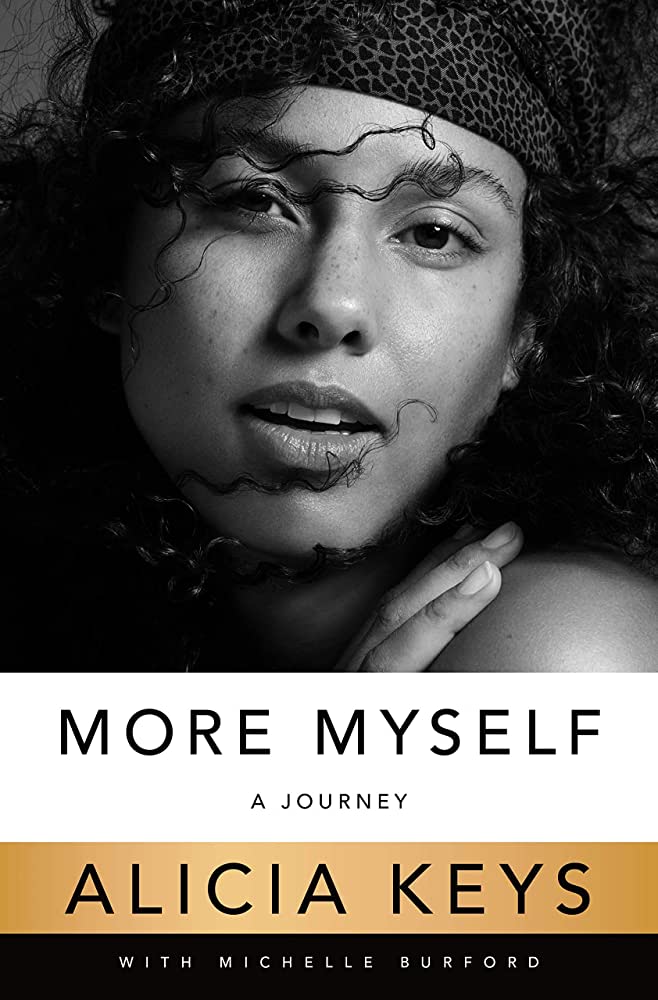
I just finished Alicia keys audio book. It was insightful and she is extremely spiritual. Her book is written like a novel and she is the narrator with cameo appearances of famous people like Oprah and Ms Obama. The only thing I didn’t like was that she sings acapella throughout and it made me cringe.
This is my new favorite show on HGTV. This very attractive couple flip homes in the Brookhaven area of Atlanta. I like the wife Egypt’s designs and the banter with her construction contractor husband Mike (who is a dish) that’s fun without being corny.
Well, I haven’t started reading it yet, except for the first few chapters, which I found captivating. A page-turner. Unfortunately, life got in the way of me continuing to read, but I intend to resume soon. This book Desire Lines is an autobiographical novel by Cary Alan Johnson, whom I know. He’s gotten great reviews, and I see why by only the portion I’ve read. He takes you back to the days of the eighties and nineties in New York when it was wonderful to be carefree and gay. Easy sex, drugs, and partying at fabulous clubs to amazing house music was the norm for most gays until AIDS showed up and put an abrupt stop to unprotected sex or, for some sex, period. This novel takes you there in vivid images and is a must-read and I will give you my conclusion at a later date.
This show is about how writers on a series choose crazy unrealistic plots and characters to keep us interested, or at least so they think. This show’s seasons were a complete waste of my time but in contradiction, I found it compelling. I wanted to know what would happen next and how far they’d make the central character go as well as the supporting ones. It did not disappoint as the plot got more stupid and unbelievable. I really have to pay more attention to what I give my time to.









 Aaron Blackwood